
1701. Tipped workers expect tax boon this year, but not a long-term fix
Luke Garrett discusses how tipped workers anticipate tax benefits this year but recognize it won't be a sustainable solution.
your daily dose of economic commentary
Luke Garrett discusses how tipped workers anticipate tax benefits this year but recognize it won't be a sustainable solution.

The post discusses using multiple agents for auditing diff-in-diff code, emphasizing error reduction in quantitative social sciences through AI-assisted coding techniques.
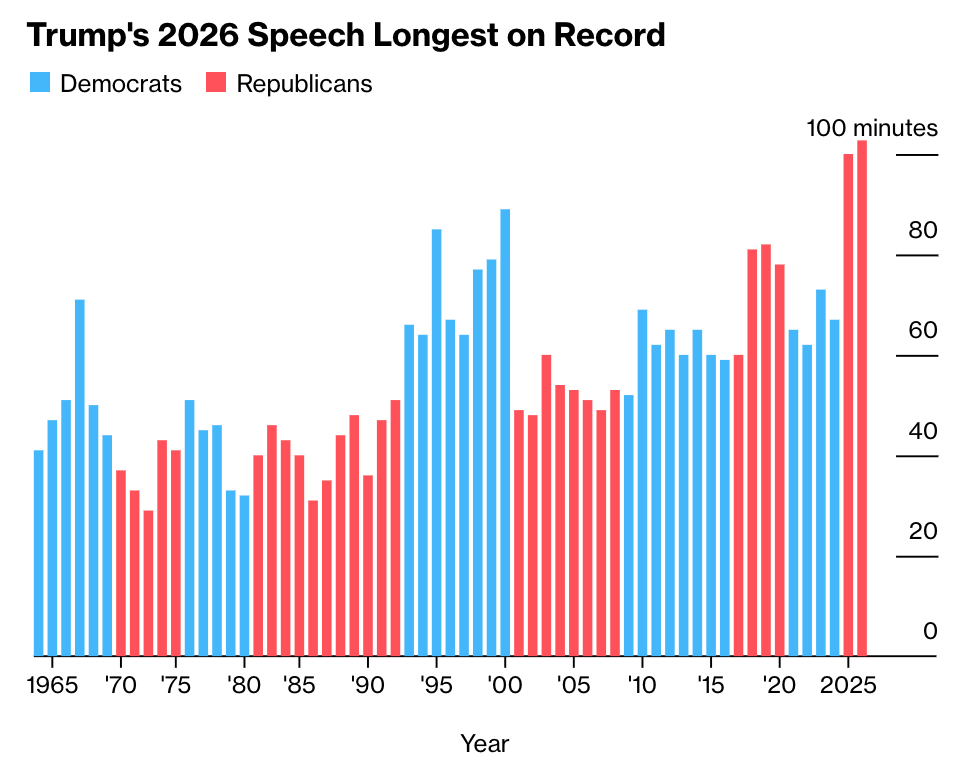
Paul Krugman critiques Trump's State of the Union address, highlighting its length, dishonesty, and disconnect from economic realities, particularly regarding affordability and public perception.

Insider trading concerns in prediction markets are highlighted as Kalshi takes action against accounts suspected of trading on confidential information.

James Doubek discusses how President Trump's alternative tariff tools will likely prevent consumer prices from decreasing, despite the Supreme Court's ruling against his main tariffs.

Jon Hartley interviews David Henderson about his economics career, property rights, market competition, and the UCLA School of Economics.

An argument that negative interest rates provided economic stimulus without severe negative consequences, while examining their effects on lending rates and banking sector profitability.
An argument that explores the relationship between bond and stock prices, highlighting historical comovements and the influence of monetary policy on these dynamics.
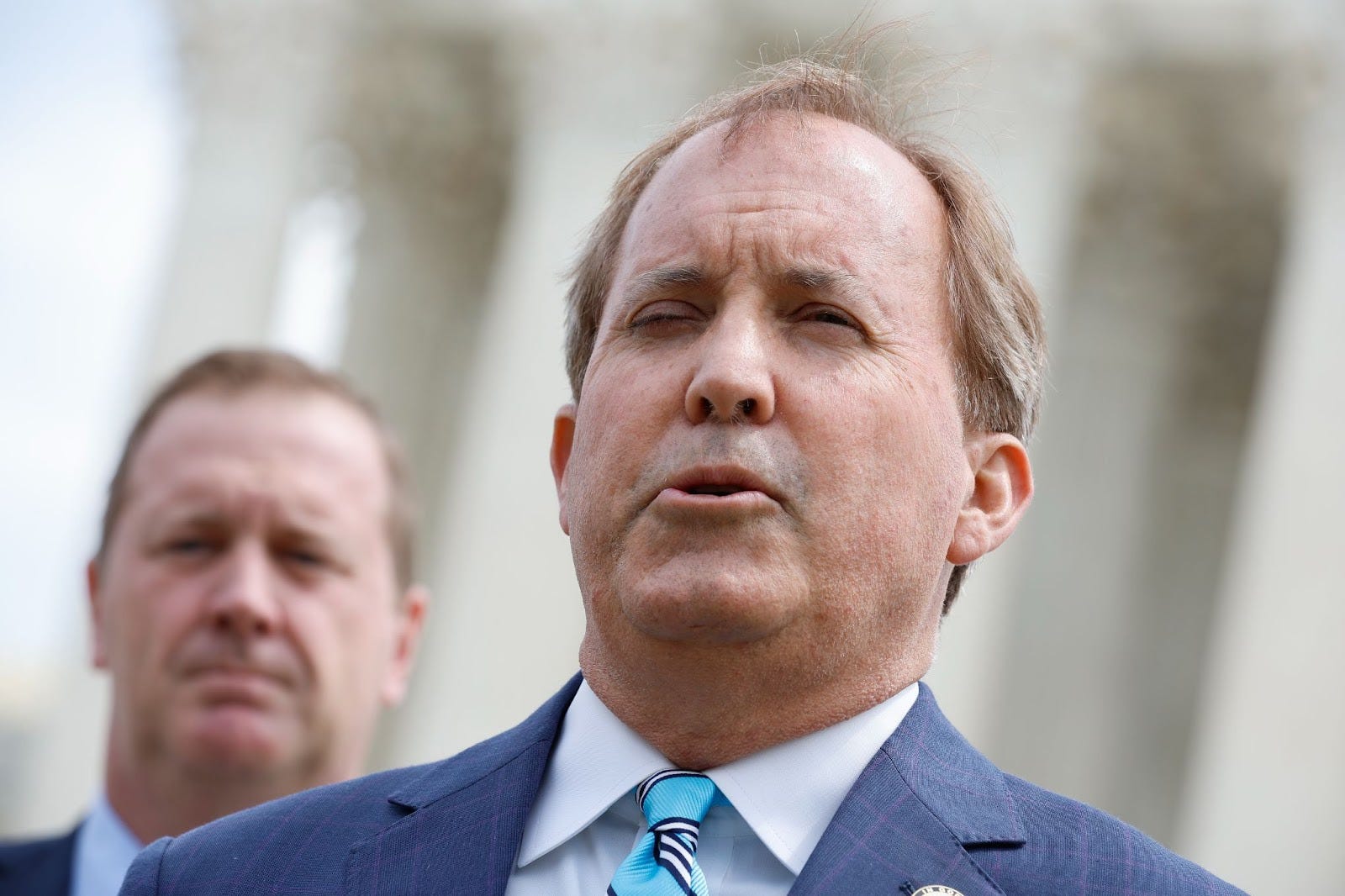
Eli McKown-Dawson discusses the competitive Texas Senate race, focusing on the Republican primary and the challenges faced by incumbent John Cornyn against Ken Paxton.
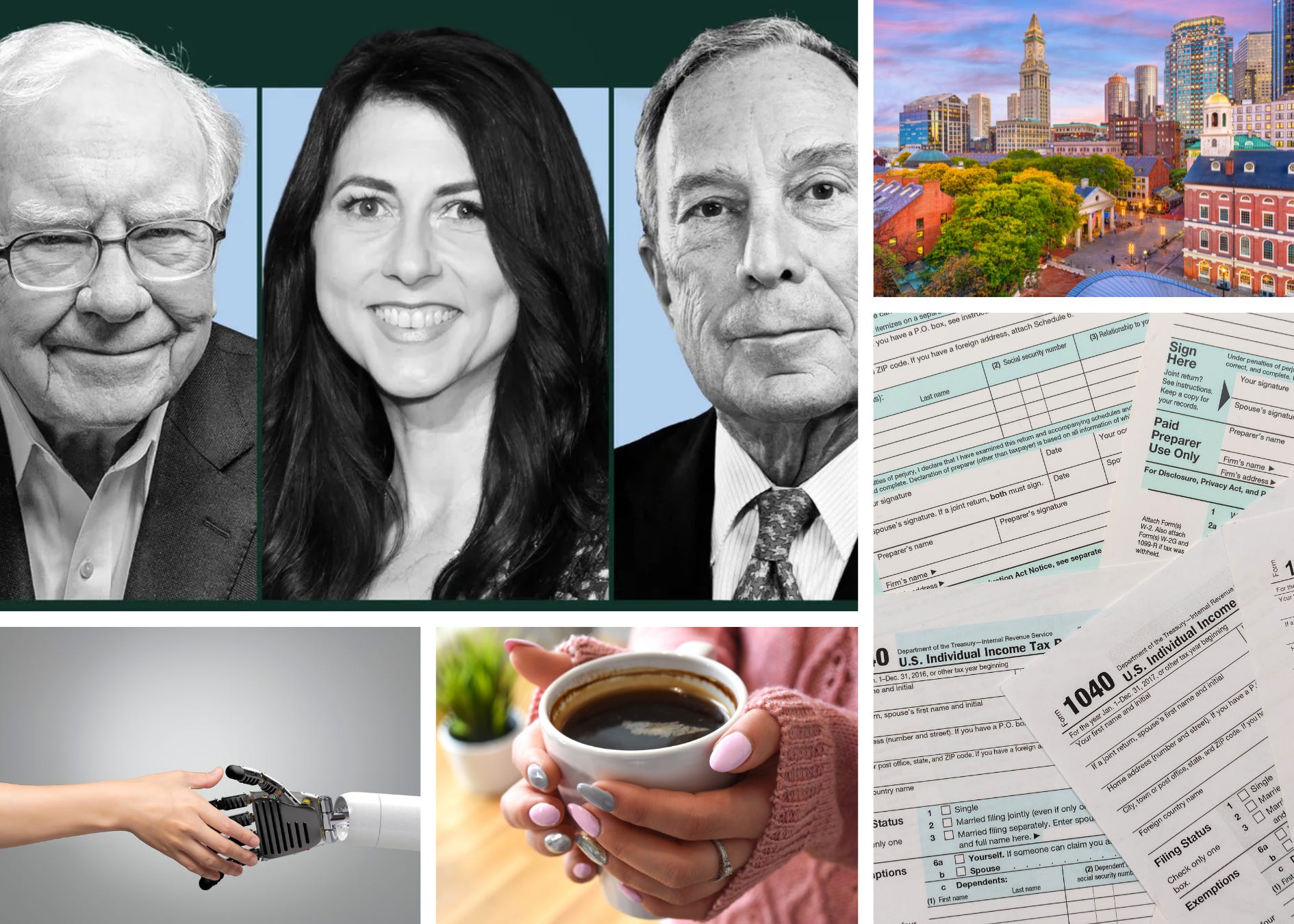
The post highlights various stories related to economic principles, including wealth distribution, rent control, AI job concerns, coffee prices, and consumer spending habits.

An argument that recent tariffs imposed by the Trump administration are illegal, ineffective, and based on flawed economic reasoning, while highlighting the political motivations behind their persistence.

Scott Cunningham discusses various topics including a blizzard in Boston, AI in finance, and personal reflections on comics and teaching experiences.

A discussion on the challenges faced by a movement aiming to address rising home prices and the political dynamics influencing housing development.
An argument that rapid AI advancements may not lead to an aggregate demand problem, as increased goods and services will stimulate spending despite potential deflation.

Evan Roberts discusses a San Francisco clinic that helps anxious travelers overcome their fear of flying through supportive exposure techniques.

Small business owners seek tariff refunds but face uncertainty about the reimbursement process and potential legal challenges.

Noah Smith discusses the implications of AI on the economy and critiques the alarmist predictions made by Citrini Research regarding job disruption and economic crisis.

Timothy Taylor discusses various methods of taxing carbon emissions and highlights international trends and comparisons in carbon pricing across 79 countries.
Scott Cunningham discusses using Claude Code for personal workflow analysis, emphasizing self-understanding and the principle of comparative advantage in productivity.
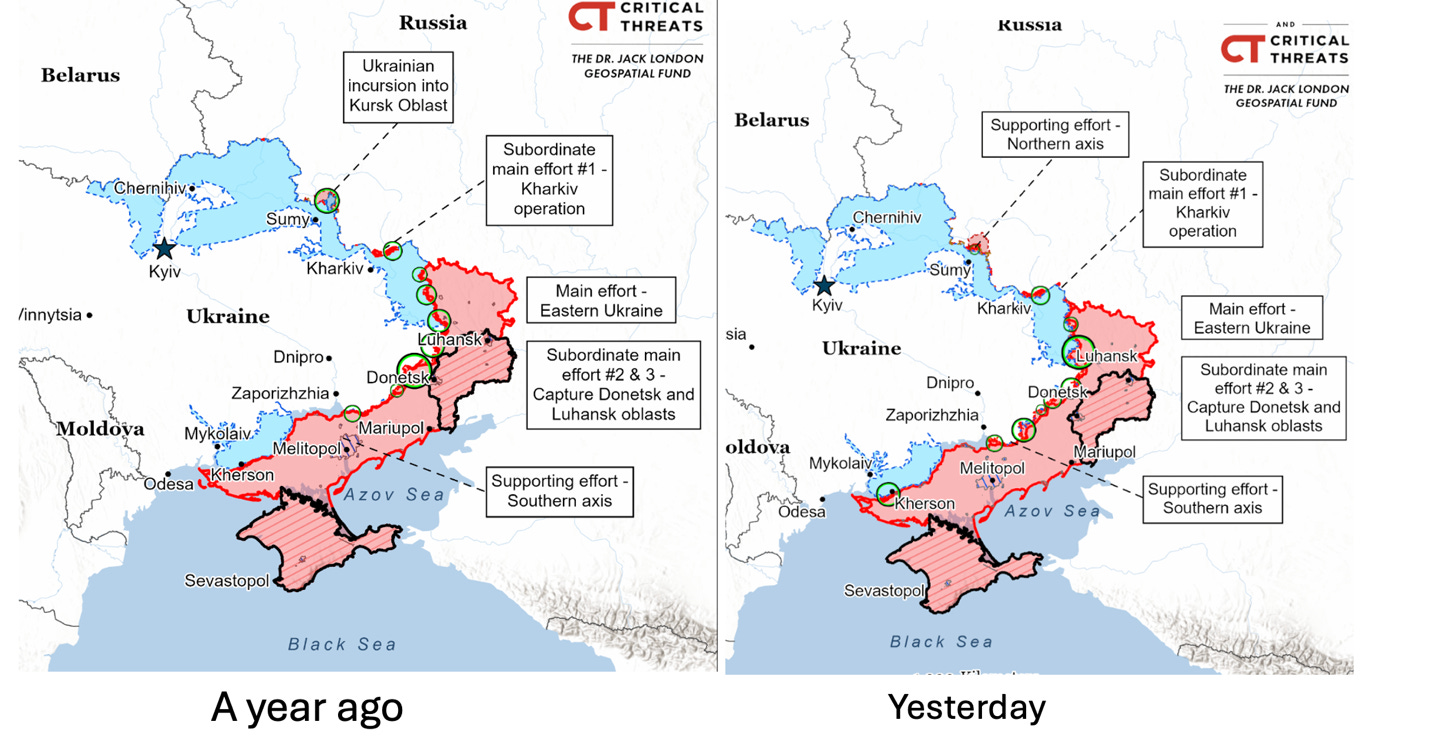
An argument that the prolonged conflict in Ukraine highlights the importance of military resources and logistics, while criticizing U.S. political decisions affecting support for Ukraine.