
1721. The Countries That Fell Short at the Winter Olympic Games
Jadrian Wooten analyzes which countries underperformed in the Winter Olympics based on economic factors like population and income affecting medal counts.
your daily dose of economic commentary
Jadrian Wooten analyzes which countries underperformed in the Winter Olympics based on economic factors like population and income affecting medal counts.

A conflict arises as Colorado utilities oppose the Trump administration's mandate to keep coal plants operational, reflecting tensions in energy policy and industry support.
An argument that U.S. military involvement in Mexico aims to disrupt drug cartels and shift the equilibrium, reflecting a potential change in foreign policy strategy.
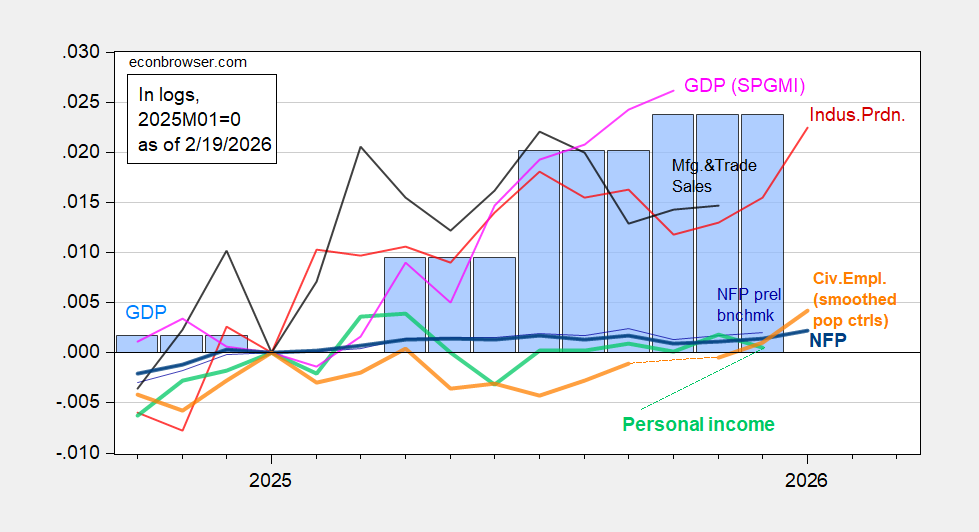
The discussion focuses on key economic indicators related to the business cycle, including GDP, personal income, manufacturing and trade sales, and consumption trends.
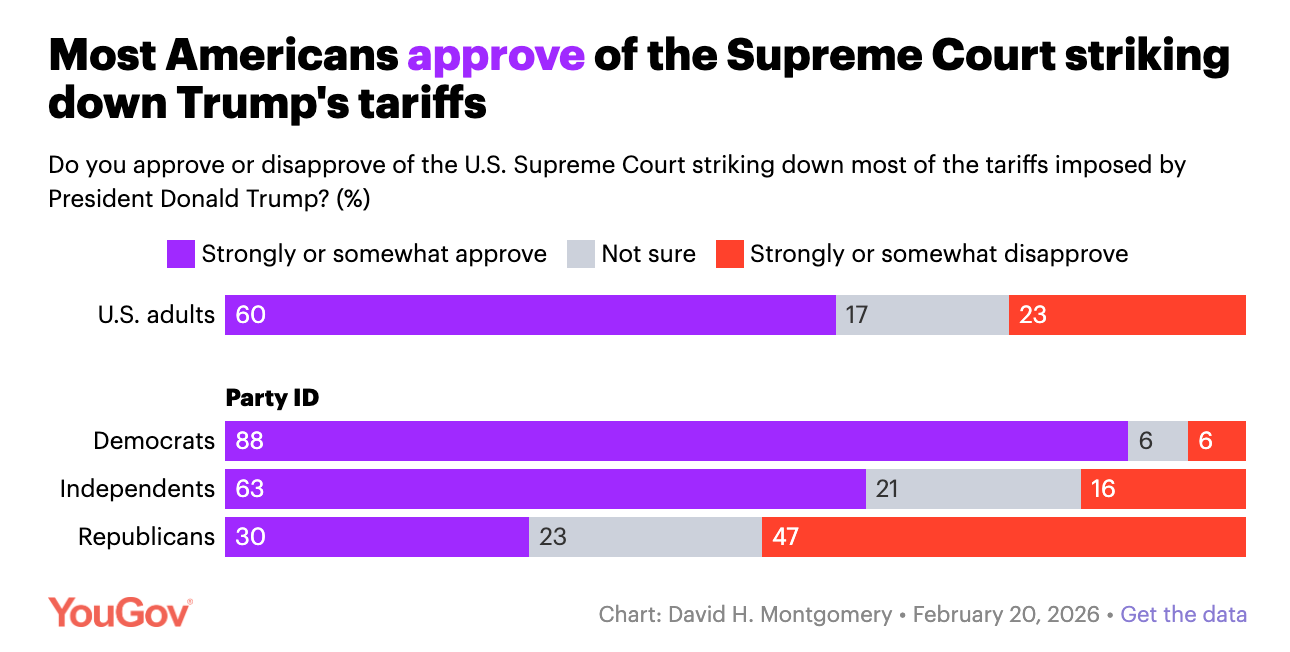
Paul Krugman discusses the Supreme Court's ruling against Trump's tariff policies and the complexities of U.S. international trade law.
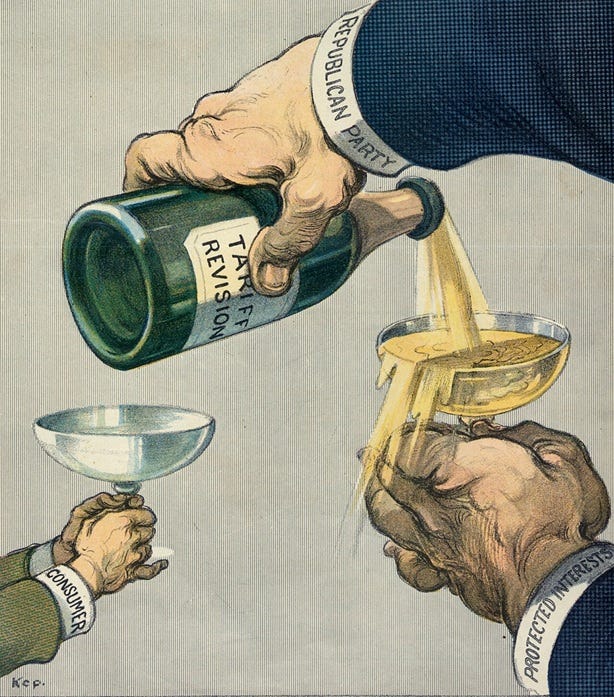
Noah Smith discusses the Supreme Court's ruling on Trump's tariffs, their implications, and the unclear rationale behind their continued use despite economic challenges.
The discussion explores Iceland's historical resilience, individualism, and the implications of U.S. fiscal policy on democracy and long-term stability.
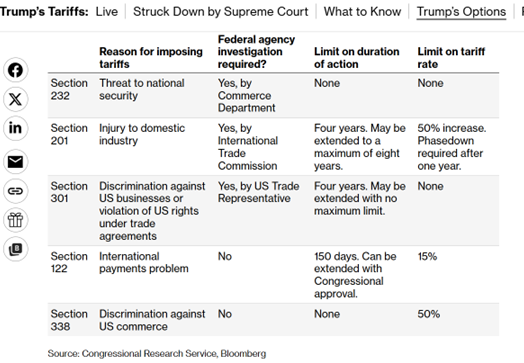
Menzie Chinn analyzes the implications of Section 122, discussing the current state of the U.S. balance of payments and currency stability.

Menzie Chinn analyzes Q4 GDP data, comparing it to "Core GDP" and discussing implications for residential investment and economic forecasts.

A campaign encourages broadcasters to emphasize patriotic programming celebrating America's history leading up to its 250th anniversary.
Alex Tabarrok discusses the Supreme Court's ruling on IEEPA tariffs, arguing that the "lesser included action" reasoning fails due to political economy considerations.

A discussion on the challenges of representing a diverse Silicon Valley district amid wealth concentration, inequality, and the impact of technology on society.

Robert Vienneau discusses the impact of technological innovations on agricultural production, land rent, and efficiency in a multi-commodity economy.

The post shares various links and thoughts on relationships, AI, and personal experiences, blending personal anecdotes with insights on love and technology.

The post discusses the president's reaction to a setback regarding tariffs and the implications for U.S. trade policy.
The discussion centers on El Salvador's potential for economic growth, tourism development, and the challenges posed by governance and regional safety risks.
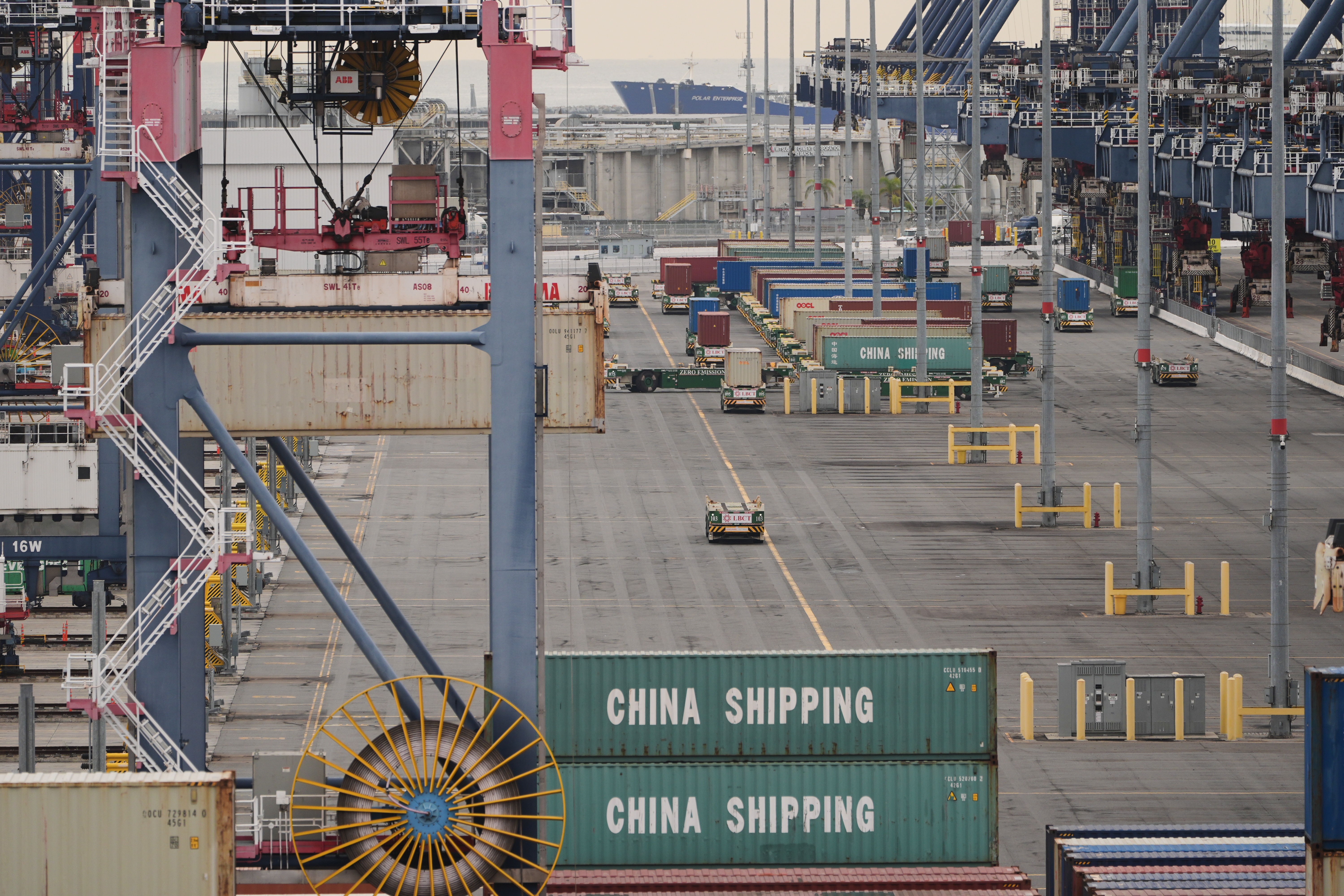
The Associated Press discusses the Supreme Court's decision on tariffs and the implications for refunds of collected government funds.

The discussion centers on Trump's misuse of the International Emergency Economic Powers Act for tariffs, highlighting the implications for presidential power and constitutional authority.
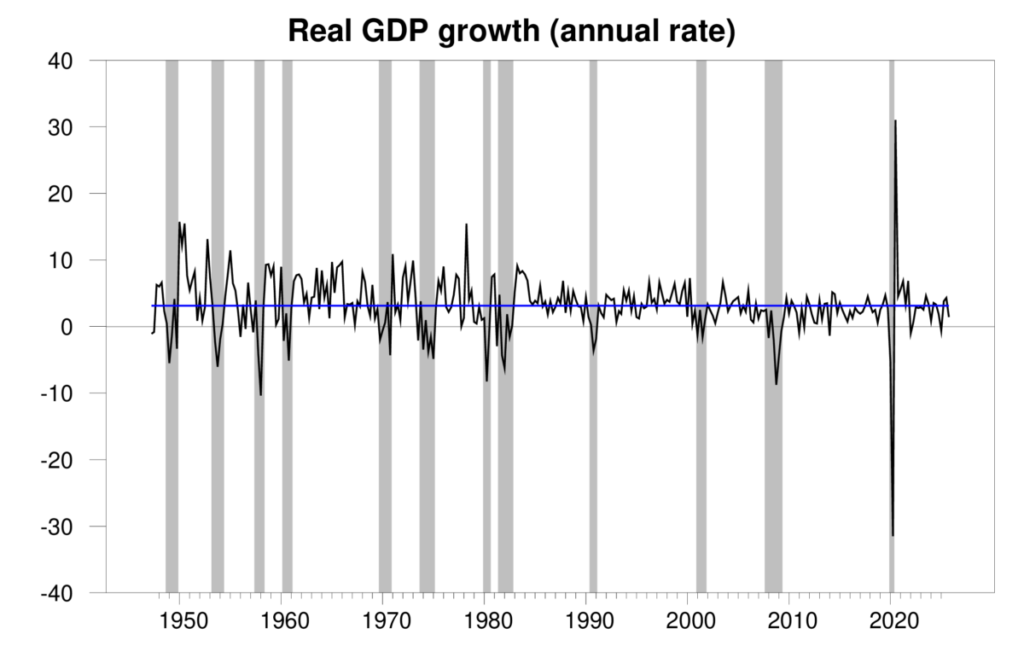
The post discusses recent U.S. GDP growth rates, their implications for recession indicators, and the impact of consumption and government spending on economic performance.

Claudia Sahm discusses the importance of trusting economic data from federal agencies and the safeguards against manipulation that ensure its credibility.