
1741. Trust in Numbers
Claudia Sahm discusses the importance of trusting economic data from federal agencies and the safeguards against manipulation that ensure its credibility.
your daily dose of economic commentary
Claudia Sahm discusses the importance of trusting economic data from federal agencies and the safeguards against manipulation that ensure its credibility.

An argument that Trump's tariffs have not effectively reduced the US trade deficit, highlighting macroeconomic factors as the primary determinants of trade balances.

The post concludes a series on using Claude Code and OpenAI's gpt-4o-mini to analyze and reclassify immigration-related speeches, revealing unexpected patterns in the data.

An argument that the ultra-rich benefit from significant tax advantages, exacerbating wealth inequality and undermining economic stability, while the political power of this elite is often overlooked.

An argument that immigration concerns often misinterpret Friedman’s views, suggesting that illegal immigration can be beneficial while proposing nuanced solutions to welfare access issues.

An argument that evaluates the electoral track records of potential Democratic candidates for 2028, highlighting strengths and weaknesses in comparison to each other.

An argument that Democrats should develop economic policies adaptable to the uncertainties posed by rapid AI advancements, moving beyond past progressive strategies.

The post discusses the Supreme Court's ruling on Trump's tariffs, highlighting the economic implications and context surrounding the decision.

Economic growth in 2025 showed a slight slowdown, driven by strong consumer spending and business investment despite a decrease from the previous year's growth rate.

Saliva tests could simplify disease detection but face challenges like insurance coverage that hinder broader implementation.
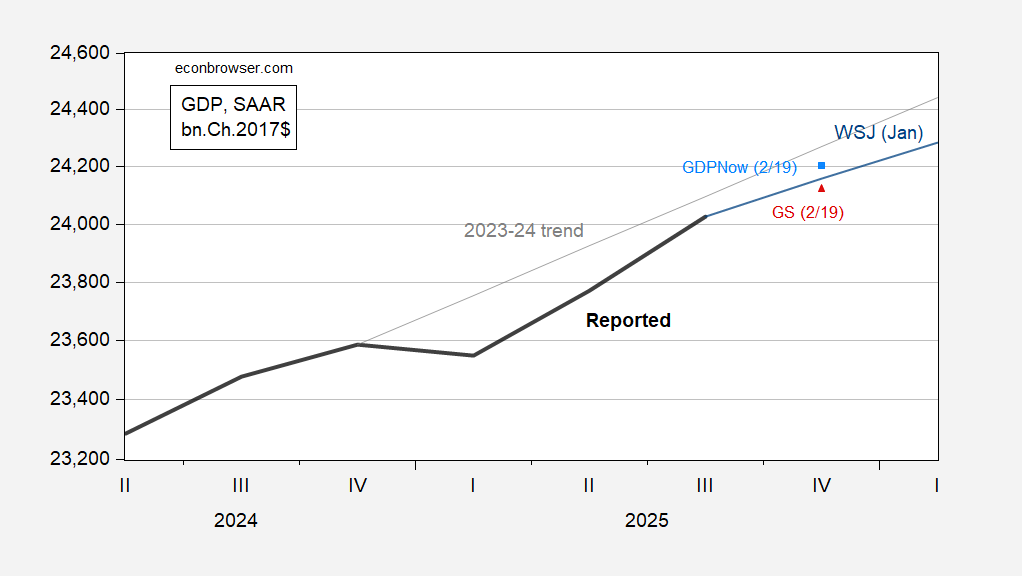
An examination of current GDP estimates reveals divergence in growth projections, indicating the economy may fall short of expected trends despite potential fiscal stimulus.

Workers at a Tennessee Volkswagen plant have ratified their first union contract, marking a significant milestone despite diminished momentum in union efforts across the South.
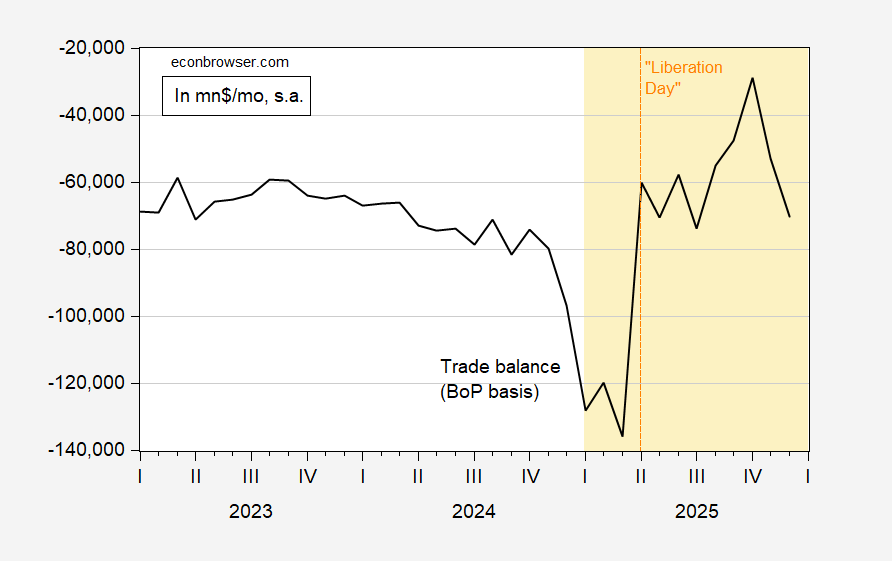
An argument that the trade deficit remains stable, with specific figures indicating changes in real goods trade and the implications for macroeconomic aggregates.
Menzie Chinn discusses Jeffrey Frankel's analysis of Trump's proposed credit card interest rate cap, examining its economic implications and political context regarding consumer protection and usury laws.

Nate Silver discusses NBA teams' potential for future championships, evaluating factors like talent, management, and market appeal in his rankings.
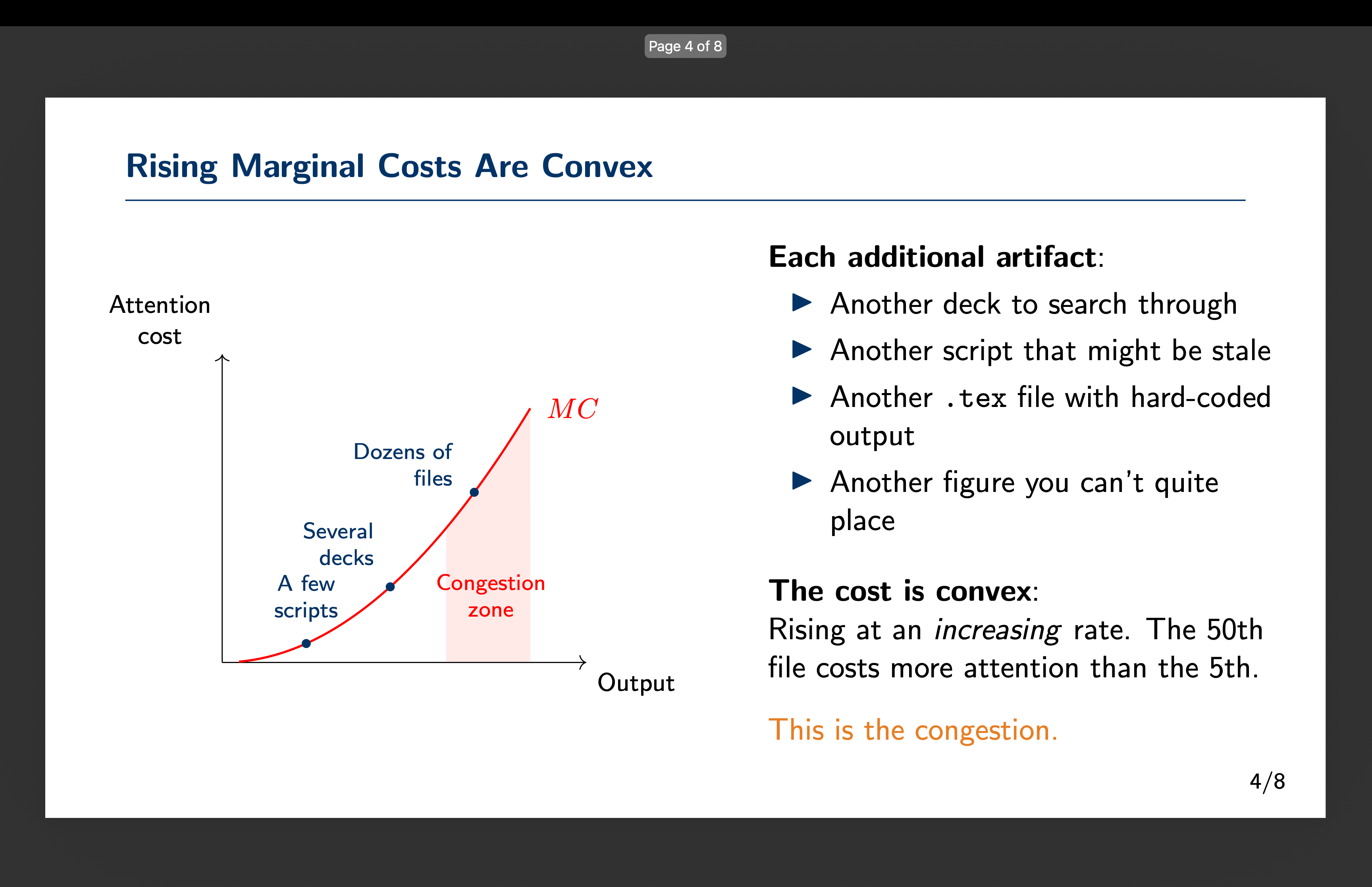
An argument that increased productivity from Claude Code leads to unexpected challenges and distractions, complicating research processes for social scientists.

Paul Krugman discusses his experiences with Substack, his goals for influence, and the challenges of maintaining engagement with his audience.

The post discusses Amazon surpassing Walmart in sales, highlighting Amazon's cloud-computing business as a key factor in its success.

Jon Murphy discusses the impact of AI on jobs, exploring historical perspectives and economic implications of automation on work and wages.
The discussion centers on Africa's development prospects, manufacturing potential, and comparisons with Asian economies, addressing challenges like population density and colonial legacies.