
1801. You are no longer the smartest type of thing on Earth
The discussion centers on the rapid advancement of AI, its growing capabilities, and the implications for human intelligence and job markets, particularly in software engineering.
your daily dose of economic commentary
The discussion centers on the rapid advancement of AI, its growing capabilities, and the implications for human intelligence and job markets, particularly in software engineering.
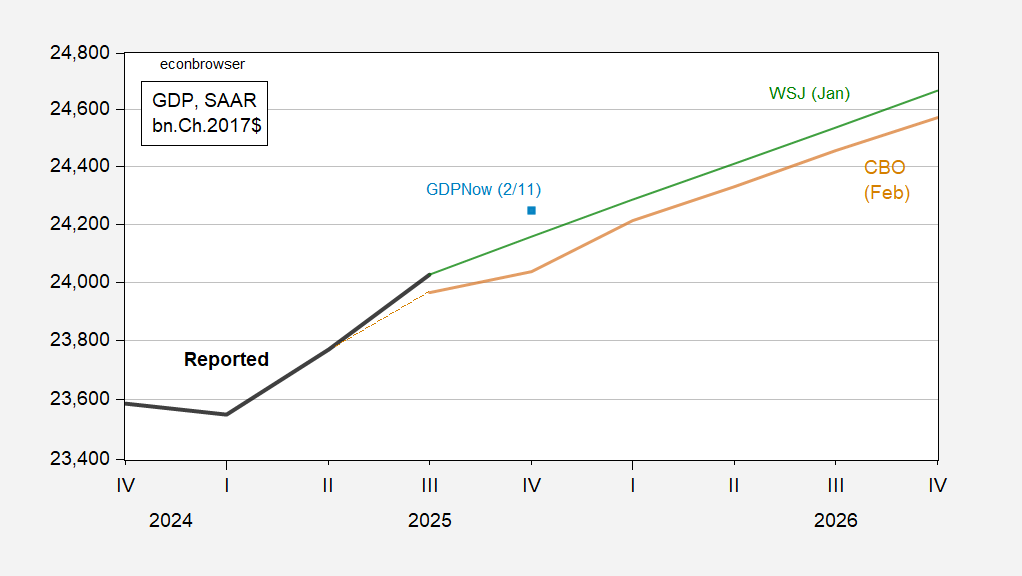
Menzie Chinn discusses GDP growth forecasts, emphasizing the importance of final sales and the impact of inventory accumulation on economic projections.

Bobby Allyn discusses an indictment in Tel Aviv involving individuals accused of using military secrets for betting on a prediction market.
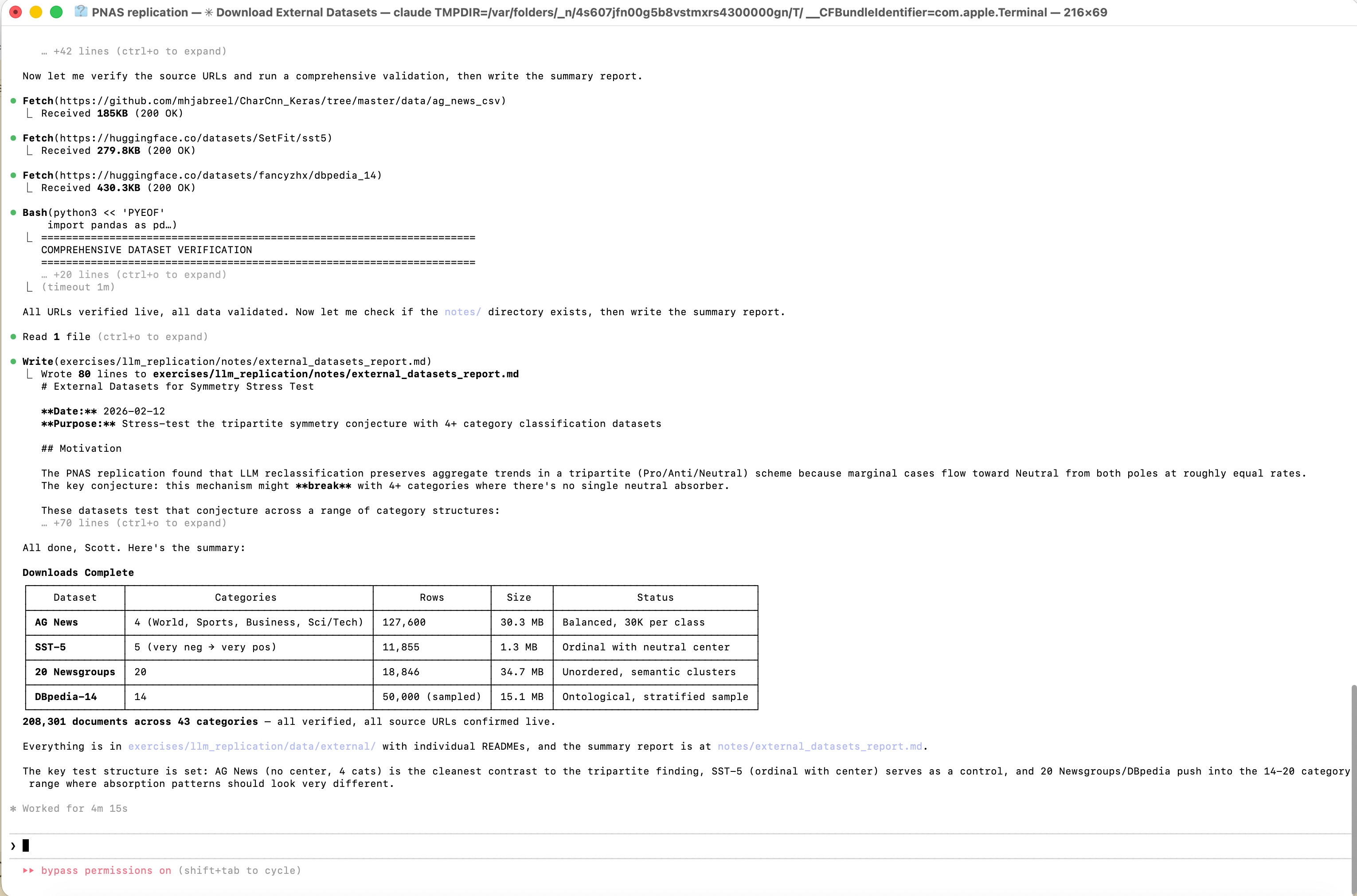
An exploration of reclassifying congressional speeches reveals significant label changes without affecting overall trends, prompting questions about data consistency and analysis methods.
The post critiques the FDA's recent refusal to review Moderna's mRNA influenza vaccine application, highlighting issues of regulatory uncertainty and political influence on health decisions.

Alex Tabarrok discusses the evolving perspectives on economic and political issues, highlighting perceived contradictions in current debates.
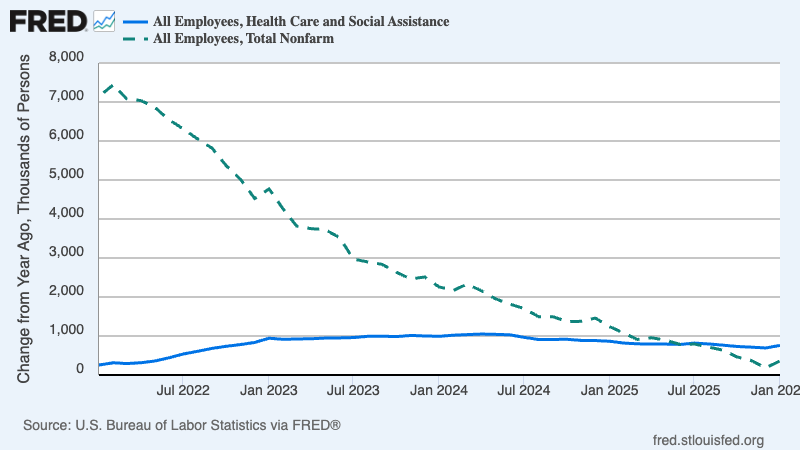
An argument that recent job growth data reveals stagnation in the economy, critiquing political narratives around immigration and employment under the current administration.
Suzanne Nuyen discusses six GOP representatives who opposed Trump’s Canadian tariffs and the rise in student loan defaults.
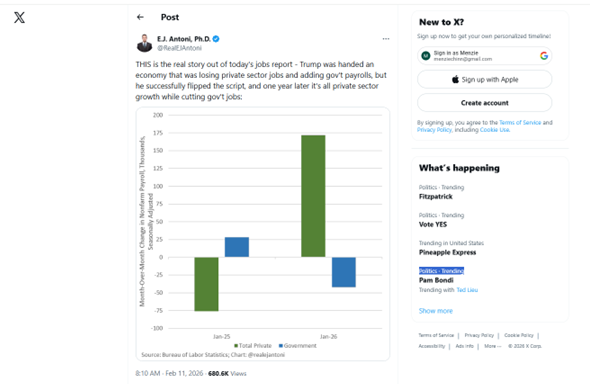
An argument that compares employment trends under Biden and Trump, highlighting differences in private and government employment growth during their respective terms.

An argument that US budget deficits and rising federal debt present long-term economic challenges, driven by increasing interest payments and their impact on growth and spending.
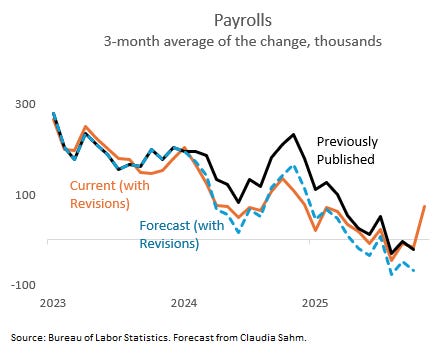
Claudia Sahm discusses the stalled payroll growth and recent employment data, highlighting a stronger-than-expected hiring rebound and the challenges of measuring economic dynamics.
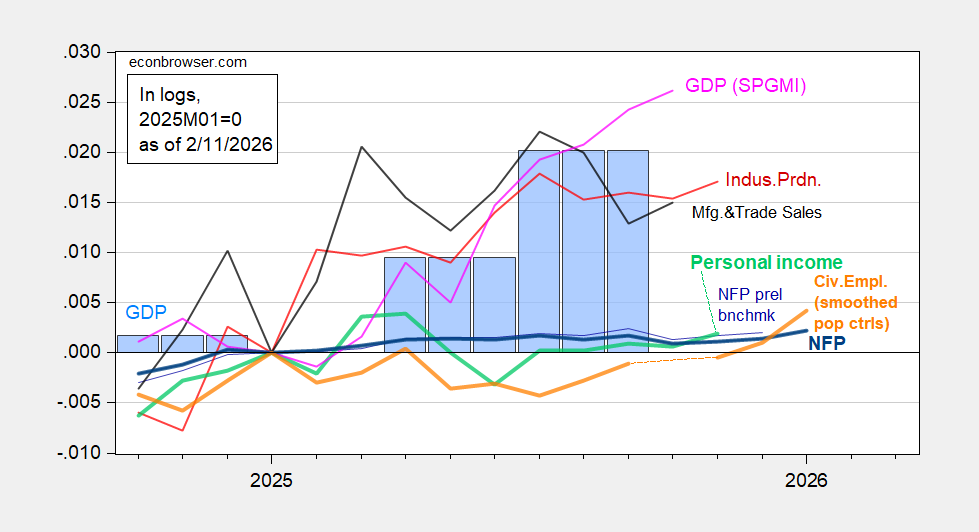
An argument that various economic indicators, including employment and production metrics, are analyzed to assess business cycle trends and revisions.
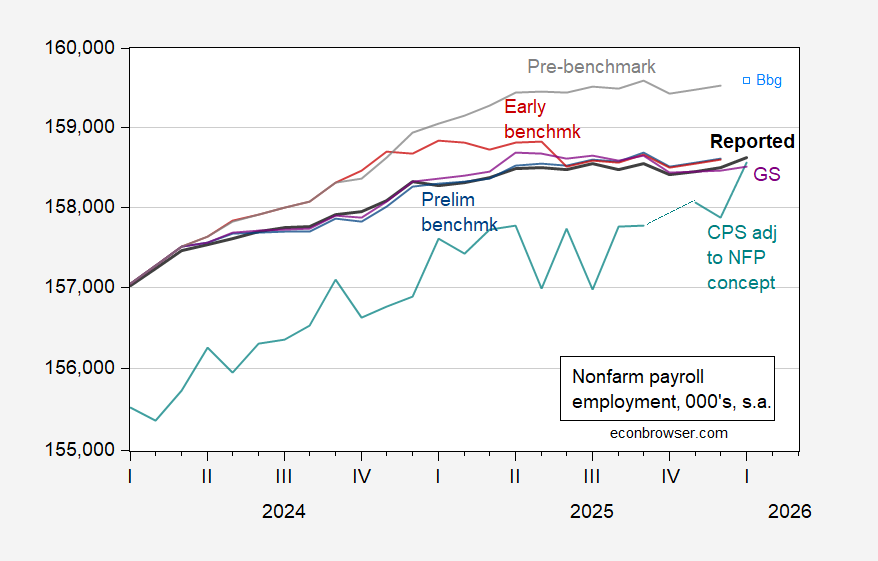
Menzie Chinn analyzes the recent nonfarm payroll employment data, highlighting discrepancies and trends in employment growth and revisions in forecasts.

An argument that the true nature of conspiracies in MAGA politics is less about grand schemes and more about the incompetence and moral failings of key figures.

The post discusses public safety improvements in transit systems, the impact of AI on job markets, and the need for effective measures to maintain public order.

Scott Horsley discusses the unexpected addition of 130,000 jobs in January and the revised weaker job growth from the previous year.
Tyler Cowen discusses the decline in global fertility rates due to improved birth control and changing societal preferences regarding family size.

An argument that the anticipated rapid advancements in AI will lead to significant and unpredictable political consequences, challenging the notion of a gentle transition to a technologically advanced society.
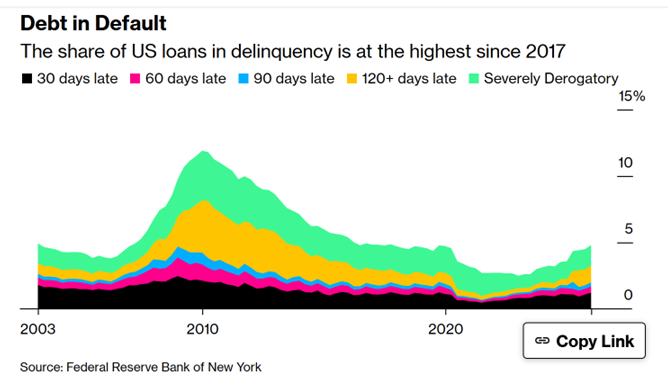
An argument that examines the financial pressures on households and presents two contrasting perspectives on debt stress and its implications.
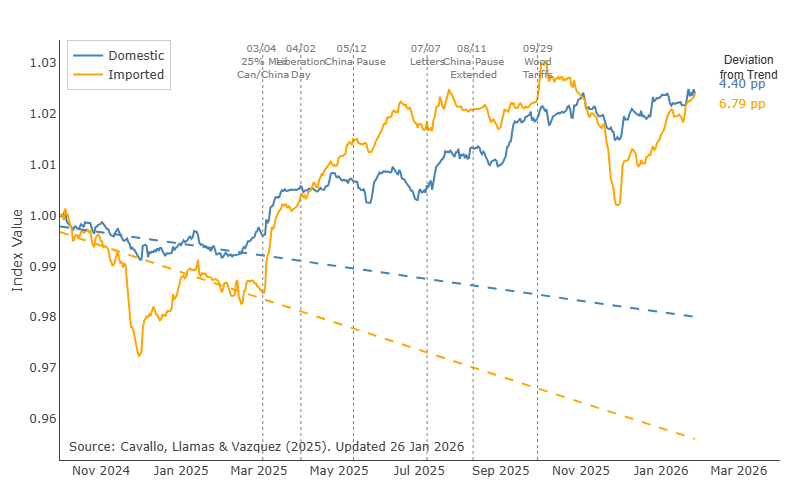
Menzie Chinn discusses the implications of tariffs on inflation, arguing against concerns about significant macroeconomic inflation from tariffs, referencing various economic studies.