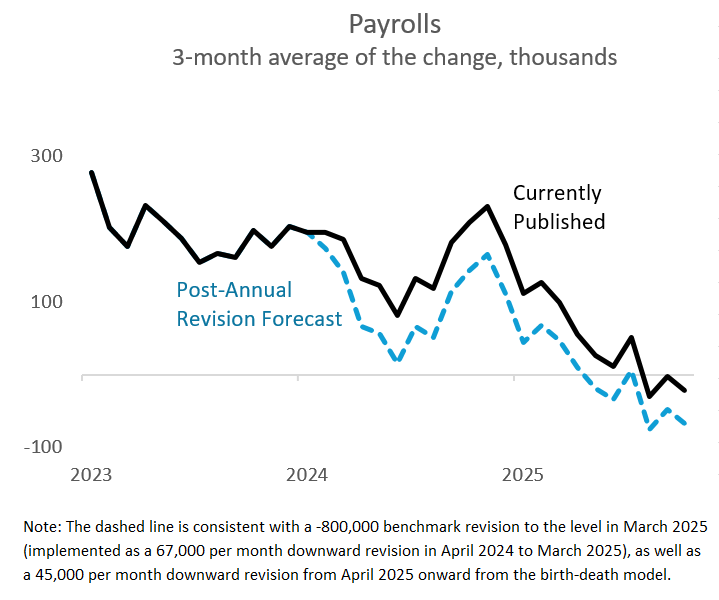
1821. A Year With No Jobs—But No Recession
Claudia Sahm discusses the unusual labor market conditions in the U.S., highlighting stagnant job growth without a recession and the implications for workers and the economy.
your daily dose of economic commentary
Claudia Sahm discusses the unusual labor market conditions in the U.S., highlighting stagnant job growth without a recession and the implications for workers and the economy.
Timothy Taylor discusses folk economic beliefs, their origins, and how they shape political opinions despite often conflicting with economic theory.
The discussion focuses on the rapid advancements in AI through recursive self-improvement, highlighting potential increases in update frequency and implications for various industries.

The post highlights various stories that illustrate economic principles and their applications, including consumer spending and the cost of car insurance.
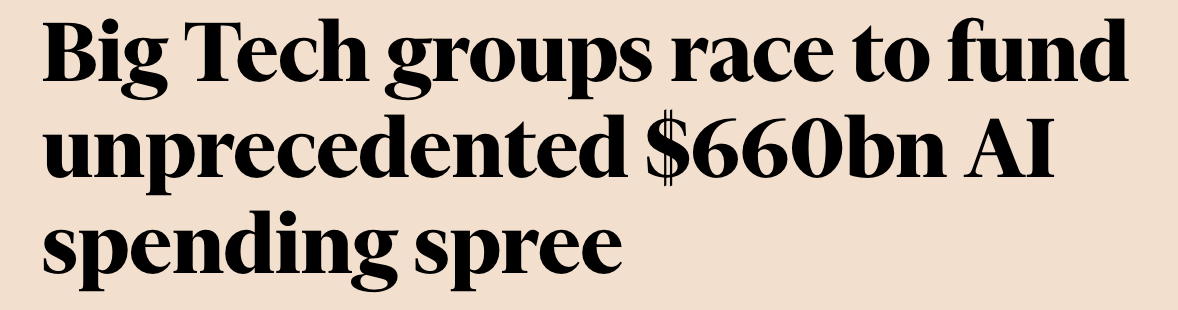
An argument that AI's potential productivity gains do not justify lower interest rates, countering claims made by political figures amid ongoing inflation challenges.

An argument that the emergence of Commodity Sports markets offers benefits and challenges, impacting bettors, casinos, and state regulations while raising concerns about the implications for accurate forecasting.
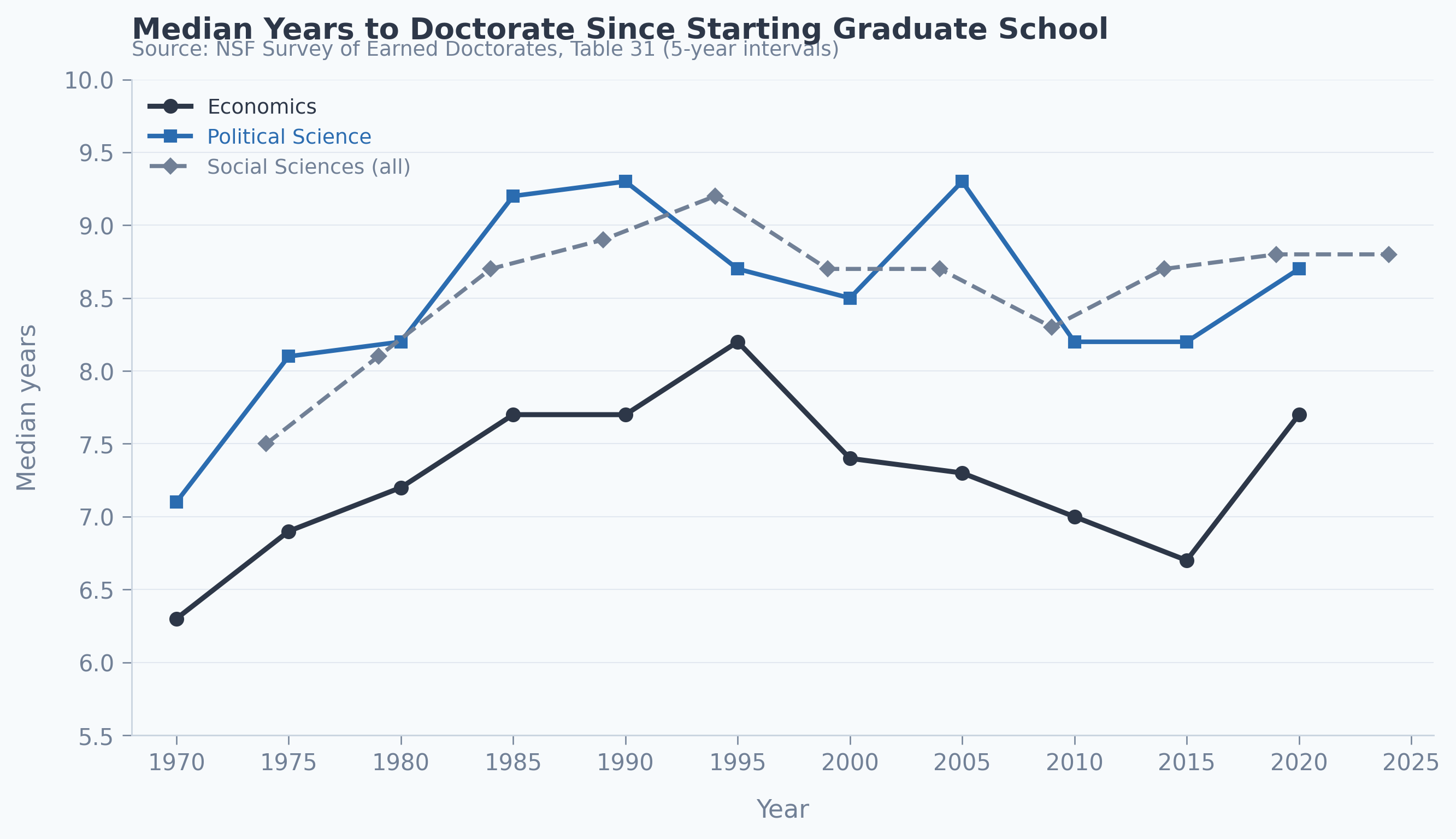
An argument that competitive markets eliminate surplus, leading to a zero profit condition, while improving overall work quality in fields like applied social science.

The discussion focuses on the actual influence of the Fed chair compared to their formal voting power within the Federal Reserve system.
Tyler Cowen discusses the stagnation of economic growth in Africa, attributing it to deep-rooted societal issues rather than just state failures.

The post reflects on the late philosopher's insights into AI, emphasizing the distinction between human judgment and AI's calculative capabilities, and the implications for understanding intelligence.
Timothy Taylor discusses two alternate histories of Asian American immigration, focusing on the impact of discriminatory laws and the evolution of immigration patterns over time.
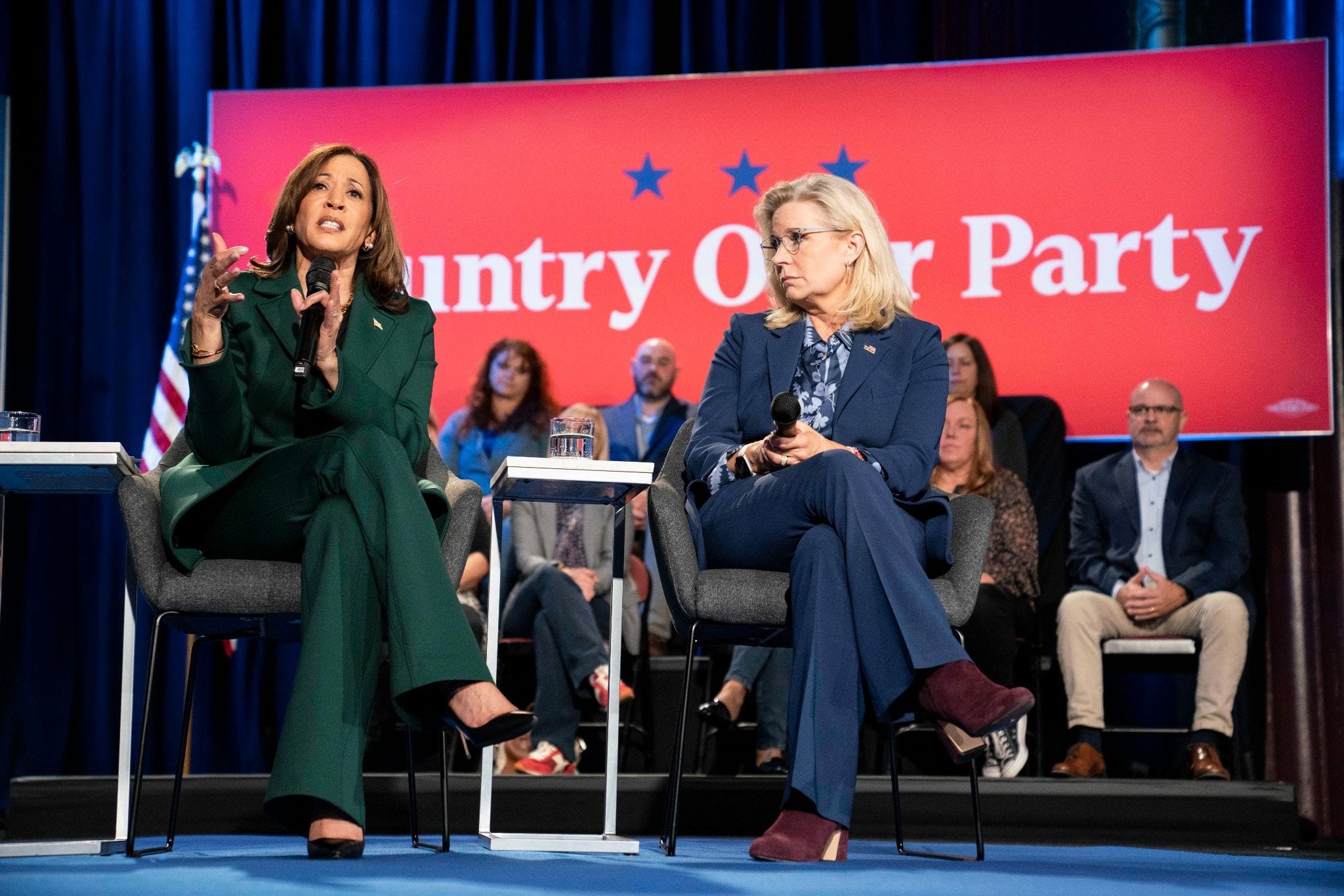
An argument that Kamala Harris's political identity is misunderstood, as she navigates perceptions of her leftist stance while avoiding clear ideological commitments in her campaign.
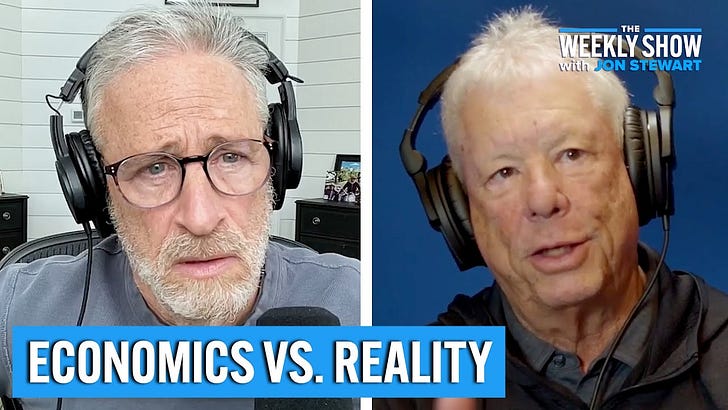
Joshua Gans discusses the role of economists, their focus on market failures, and the misconceptions about economics in popular media, particularly in relation to Jon Stewart's interviews.

Residents near a new Dunkin' facility in Haverhill are experiencing persistent odors, highlighting the negative externalities of production that affect local quality of life.

The post reflects on privilege and luxury in politics, using JD Vance's Olympic visit and the Epstein scandal to illustrate the corrupting influence of elite status.

Scott Cunningham discusses the upcoming Codechella Madrid event, highlighting its workshops on causal inference methods and the importance of affordable pricing for participants.

The post discusses Takaichi Sanae's rise to power in Japan, the LDP's electoral dominance, and the implications for democracy and governance in the country.
Robert Vienneau critiques the teaching of economics, particularly the flawed concept of the natural rate of unemployment, highlighting its political implications.
Tyler Cowen explores the decline in American interest in Singapore, attributing it to political, social, and economic shifts in perception and relevance.
An argument that immigration backlash varies in significance, suggesting that respecting voter preferences is crucial to avoid empowering toxic anti-immigrant politicians while advocating for more immigration.