4081. How a Small Share of Firms Drive Economic Growth
An argument that a small number of firms significantly influence national productivity growth, with the U.S. outperforming the UK and Germany due to a higher proportion of standout firms.
your daily dose of economic commentary
An argument that a small number of firms significantly influence national productivity growth, with the U.S. outperforming the UK and Germany due to a higher proportion of standout firms.

The author discusses various stories that illustrate economic principles, including pricing strategies and housing market trends.

An argument that imperfect competition fosters variety and meets diverse consumer preferences, contrasting with the ideal of perfect competition favored by some politicians.
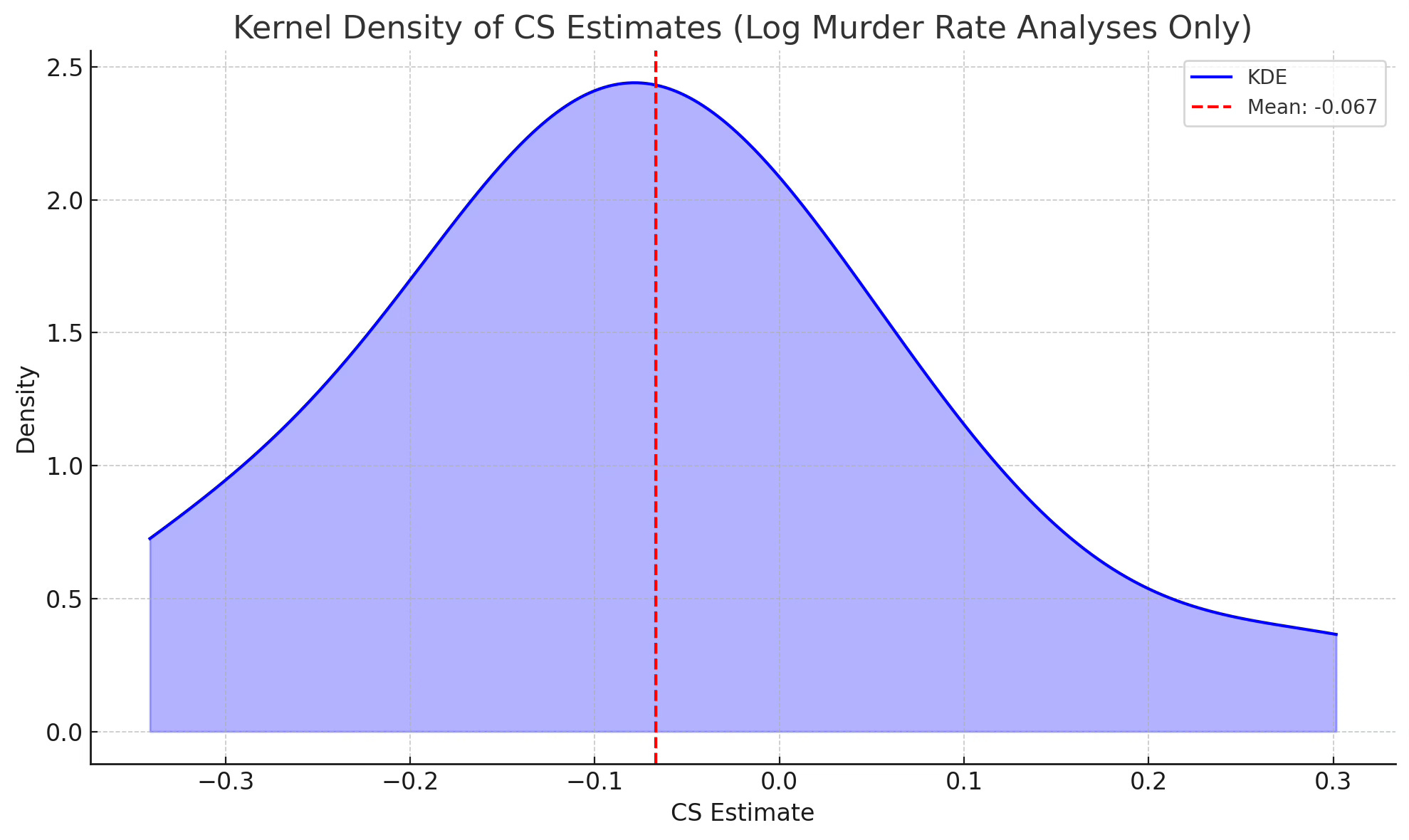
The post discusses a final assignment on causal inference, focusing on multiple analyst designs and the variability in research results from identical datasets and methods.

A health care conglomerate experiences financial difficulties and consumer dissatisfaction, leading to the unexpected replacement of its CEO.

An argument that price controls on pharmaceuticals may harm low-income countries while providing minimal benefits to U.S. consumers, highlighting the complexities of price discrimination in economics.

Bill McBride discusses the NY Fed's report on household debt, highlighting mixed changes in debt balances and a significant rise in student loan delinquencies.
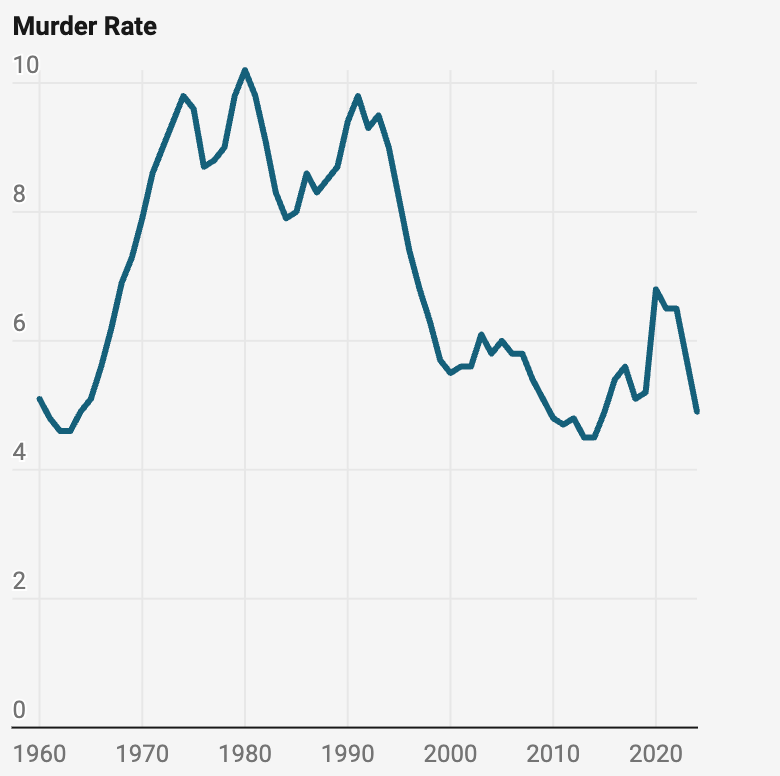
Paul Krugman discusses the misconceptions surrounding energy production in the U.S. under Trump and Biden, highlighting the impact of policies and market conditions on energy independence.
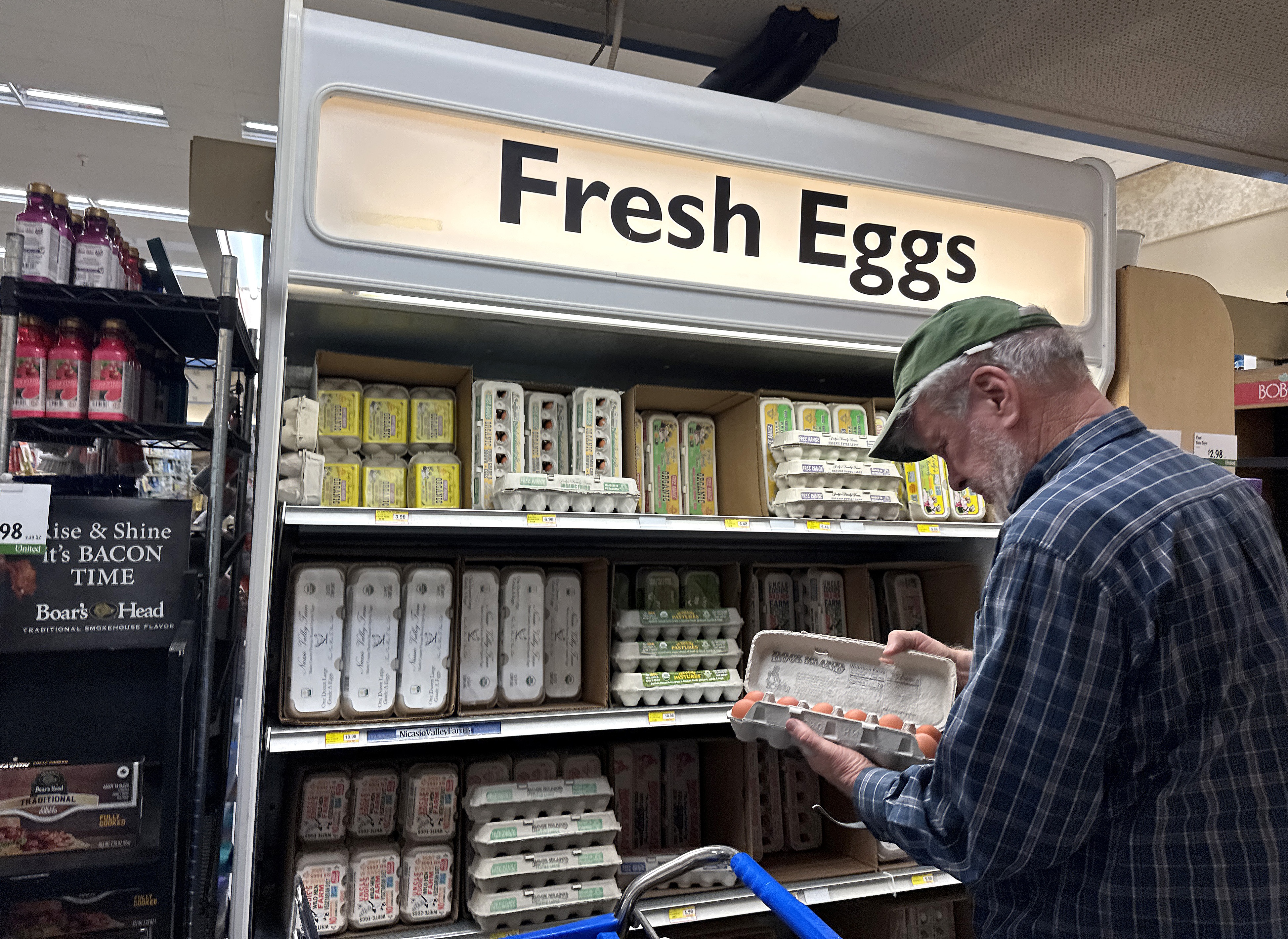
Consumer prices showed a modest increase in April, but potential tariff impacts could alter economic conditions in the near future.

Bill McBride analyzes year-over-year inflation measures for services, goods, and shelter, highlighting trends and changes in various categories through April 2025.
Importers are optimistic about resuming trade following U.S. tariff reductions on China, while Diddy's trial begins with various allegations.

Nia Dumas discusses how Jay Foreman of Basic Fun! expresses concerns about the impact of Trump's tariff policies on businesses during the holiday season.

Obed Manuel discusses how a temporary U.S.-China tariff deal fails to alleviate uncertainty and may lead to higher prices for businesses importing Chinese goods.

An argument that American manufacturers face challenges in filling existing manufacturing jobs despite efforts from political leaders to revive the sector.

Business owners express relief over temporary tariff cuts with China, but uncertainty looms regarding future trade relations and economic impacts.

Darian Woods discusses NPR's funding sources and the implications of President Trump's executive order to cut federal support.

The post discusses the negative impact of increased tariffs on UK-US trade under the Trump administration, highlighting the permanence of higher tariffs compared to previous rates.

Menzie Chinn discusses the evolving nature of international economics and its implications for educational approaches in the field.

Timothy Taylor discusses President Trump's drug pricing policy and its economic implications, referencing recent academic papers on pharmaceutical pricing and innovation.

Stephen Fowler discusses Trump's attempt to dismiss Corporation for Public Broadcasting board members and the subsequent involvement of DOGE staffers.